Blog

  • Marmite

    Marmite

    The original use of the word marmite was for a French two-handled earthenware or metal cooking pot, used for makings soups and stews. It’s thought that the term was derived from the old French word for ‘hypocrite’ – the idea being that the pot was a hypocrite because it concealed its contents.

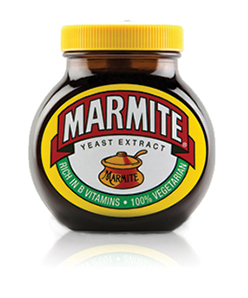
    Later in Britain the word was used for a proprietary brand of a spread made from yeast extract, a by-product of the beer brewing industry. The paste is dark, sticky, and very salty. It’s often spread on toast but can also be used for various other purposes, eg to add a tasty stock to vegetarian dishes.

    The Marmite familiar to many Brits today was originally launched in 1902 and depicts a marmite pot on its label. There have also been many special editions to celebrate various events, eg a special edition called ‘Ma’amite’ was released in April 2012 to commemorate the Diamond Jubilee of Queen Elizabeth II.

    More information

    Visit the official Marmite website.

  • White meat and dark meat

    White meat and dark meat

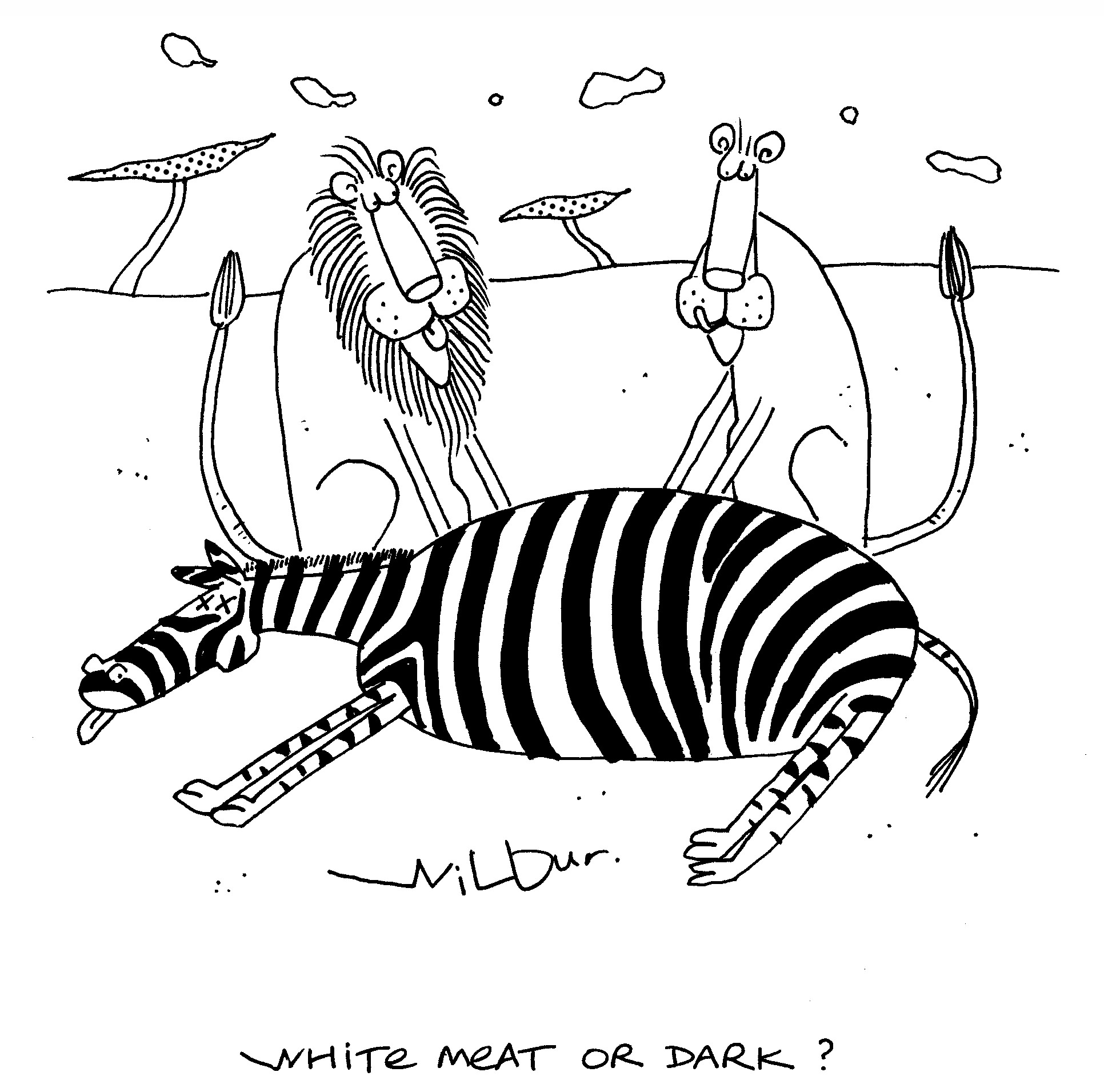
    cartoon of two lions with a dead zebra - "white meat or dark?"

    White meat

    In earlier times ‘white meat’ was simply a term for dairy products, eg milk, butter, cheese, and sometimes eggs. However, in modern English white meat has two meanings. The main one refers to cooked breast meat and other pale-coloured cooked meat of poultry, as opposed to the darker meat of the other parts, such as the legs.

    It’s thought that this usage was initially adopted as a euphemism in the 19th century (Victorian times) by those too refined to use the word ‘breast’ in polite company.

    The other modern use of the term ‘white meat’ is to refer to pale-coloured meat in general, especially chicken and turkey, but also pork, rabbit, etc – as opposed to the red meats of beef, lamb, venison, etc.

    Dark meat

    Dark meat refers to the cooked meat from the legs of poultry, in particular chicken and turkey. As with white meat, the term seems to have been adopted in Victorian times as a euphemism to save the sensibilities of those too genteel to mention ‘leg’ – or worse still – ‘thigh’.

    Drumstick

    The word drumstick for chicken legs appears to have been coined earlier. According to John Ayto in An A-Z of Food and Drink, “The first known reference to poultry thighs as ‘drumsticks’ comes in the Mayor of Garret (1764), a play by the now almost forgotten dramatist Samuel Foote… They get their name, of course, from their shape, bulbous at one end with the bone protruding sticklike at the other.”

    Joint

    The word ‘joint’ is, in some cases, a similar euphemism for dark meat. In Britain, at least since the 16th century, a joint simply meant a large piece of meat for roasting. However, in 19th century America it meant something different. Given the Victorian-induced taboo of mentioning body parts such as ‘legs’, it was necessary to give these parts an alternative name. Thus the legs of poultry were referred to as joints. John Ayto (see above) writes: “Apparently it caused a certain amount of confusion among British visitors.”

  • Maillard reaction

    Maillard reaction

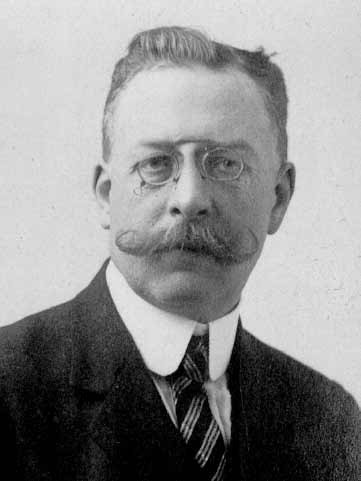
    Photo of the French scientist Louis Camille Maillard
    Louis-Camille Maillard

    What is it?

    The Maillard reaction, named after French chemist Louis-Camille Maillard (1878-1936), is a complex chemical reaction at heat (particularly strongly between 140°C and 165°C) between amino acids and reducing sugars.

    Why does it matter?

    It’s responsible for the distinctive flavour of browned foods.

    But I thought it was caramelisation that turned food brown?

    Again, yes and no. Caramelisation does turn food brown, but it’s a much more straightforward process – it’s just the pyrolysis (decomposition under heat) of certain sugars. And the Maillard reaction does also result in browning, though it’s the umami flavours it creates, above all, that have been interesting food scientists since at least 1953.

    Hang on – Maillard died in 1936.

    Glad you’ve been paying attention. Maillard described the process in a 1913 academic paper, but it was US Department of Agriculture chemist John E. Hodge who established the mechanism 40 years later, paving the way for a lot of artificial flavourings.

    Not interested in artificial flavours. Give me the real McCoy.

    Think fried steaks, lamb chops, roast pork – but think biscuits and crusty bread too. And roasted coffee beans. And fried onions… Are you starting to see why it’s so important?

    (And the malted barley that makes beer and whisky.)

    So it’s a good thing, then?

    Mostly, yes. However, it occurs naturally in the human body in certain medical conditions, often in association with the ageing process – for instance, it’s thought it may have a role in cataracts and in macular degeneration. And back in the world of food it can result in the formation of acrylamide, which may be a carcinogen (at least, US government agencies think it is).

    Should I worry if I’ve overdone the toast?

    Not unduly. Acrylamide’s been found to cause cancer in rats and mice, but only at huge levels – humans would have to eat about 160 times the daily average intake to consume the same amount, and even then it’s not been established that they’d contract cancer.

  • Cream

    Cream

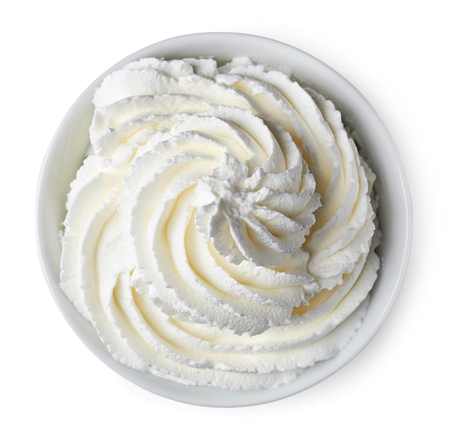
    photo of a bowl of whipped cream
    Cream is the fat layer that forms on top of unhomogenised milk. This fat layer is then skimmed off.

    Cream has numerous culinary uses. You can add it to soups and sauces to give a smooth, rich texture. It’s also commonly used in desserts either incorporated within the dish or added as whipped cream, or simply poured over – especially on fruit, puddings, or tarts. Apple pie is a great favourite to have with cream poured over.

    It’s important to choose the right type of cream for the purpose, but with all the various types of cream – and the fact that the terms vary between countries – it’s easy to get confused about which type of cream you need to be using. See below for more information.

    More information

    Our sister site, Not Delia, has a lot of information about cream.

    Confused about cream?

    With all the various types of cream on the market and in recipes, it’s easy to lose sight of what they’re all for…

    Can you substitute whipping cream for single cream? Or the other way round? Can you use half the amount of double cream if you don’t happen to have single? What about crème fraîche – isn’t that’s just French for ‘fresh cream’? And what about UHT cream, cream substitutes and all of those things?

    Read more!

    There’s also information on Not Delia about how British cream terms compare with others.

    US terms for cream and their British equivalents

    Australian and New Zealand terms for cream and their British equivalents

  • Gluten

    Gluten

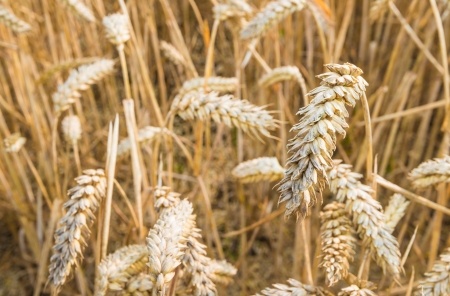
    ripe wheat ready for harvesting
    Gluten is a protein found predominantly in wheat, rye and barley. It may also be present in other cereals, either as a natural component or as a result of cross-contamination during harvesting. Therefore, anyone with a gluten-intolerance might be wise to check that any other cereal they purchase is in fact gluten-free.

    Gluten’s main culinary use is to give strength and elasticity to food products and it’s commonly found in wheat-flour-based products such as bread, pasta, pastry, and bakery items. It can also be found in many processed foods, eg ready meals, sausages, sauces and soups.

    Because we eat more processed foods these days, this has resulted in us eating significantly more gluten. Thus there is a greater chance that those with an intolerance to the protein will experience some of the painful digestive symptoms associated with this intolerance. But gluten intolerance should not be confused with coeliac disease, which is a life-long auto-immune condition.

    Nowadays products which are gluten-free are readily available in supermarkets and other stores.

  • Coeliac disease

    Coeliac disease

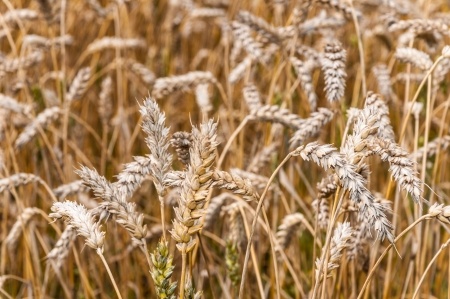
    close-up of golden wheat ripe and ready for harvesting

    Coeliac (sometimes spelled celiac) disease is a lifelong autoimmune disease where the body’s immune system reacts to gluten, a protein found in wheat, barley and rye. The body’s reaction to gluten causes damage to the lining of the intestine, preventing the body from absorbing important nutrients. Symptoms can include bloating, diarrhoea, nausea, wind, constipation, tiredness, headaches, sudden or unexpected weight loss, hair loss and anaemia.

    It’s estimated that about one in a hundred people in the UK suffers from coeliac disease. The myriad of symptoms and varying degrees of severity associated with coeliac disease make it difficult to diagnose. Once it is diagnosed, it’s treated by following a gluten-free diet for life. If you suspect you have coeliac disease, you are advised you go to your GP for further information before you make any changes to your diet.

    However, ‘gluten-free’ diets have become very popular – quite a fad! This has led to some food providers not understanding that if gluten-free food is contaminated in any way by gluten, eg by baking something in the same kitchen as items containing gluten without preventing cross-contamination, this can cause a severe reaction in a coeliac although many people on a supposedly gluten-free diet would not experience any problem.

    More information

    Coeliac UK – a British charity – provides a great deal of information about coeliac disease and includes gluten-free recipes.

    Try this NHS page for more information about coeliac disease.

  • Vegan diet

    cartoon of a teen asking if a cauliflower is vegan

    Veganism is the practice of abstaining from the use of animal products and the philosophy of rejecting the status of animals as a commodity. This extends to all lifestyle choices, eg choosing household products, clothing and cosmetics which are free from animal products and which have not been tested on animals. In particular followers of veganism abstain from consuming food and drink which include animal products, including dairy and honey, or those where animal products have been used in their production, eg some beers and wines.

    A true vegan, therefore, only eats plant-based foods. Veganism is becoming quite mainstream these days and as such fashionable. This may undermine the true vegan message by obscuring it as a fad – in much the same way as ‘a gluten-free’ diet has led to some difficulties for people with coeliac disease.

    Given that plant-based foods can lack certain nutrients, it’s often recommended that vegans take supplements, especially Vitamin B.

    Recipes

    The Vegan Society website has a lot of information including many tasty-sounding recipes

  • Amaretto

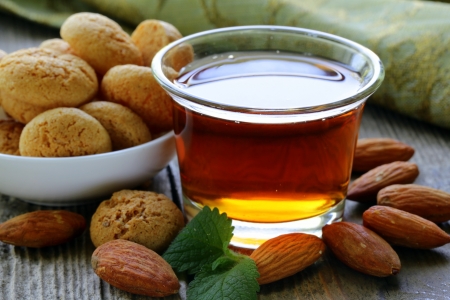
    amaretto liqueur with amaretti biscuits and shelled almonds

    Amaretto is a sweet, almond-flavoured liqueur which originates from Saronno, Italy. There are several commercial brands available notably Disaronno and Lazzaroni.

    It can be drunk on its own, with ice, in coffee or used as a cocktail base. It’s also used for various culinary purposes, to add flavour to both sweet and savoury dishes.

    At Christmas it’s often served with panettone, a type of Italian sweet bread.

    The word amaretto is a derivative of the Italian amaro, meaning ‘bitter’, because of the bitter almonds which are its main flavouring ingredient. Amaretti are similarly flavoured sweet little biscuits, like small macaroons. They are often purchased in individual tissue paper wrappings, although they can also be made at home.

  • Panettone

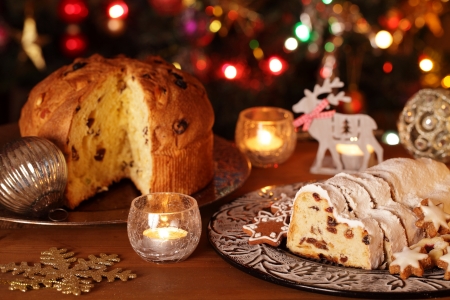
    photo of Christmas panettone on the left and stollen on the right

    Panettone is a type of sweet bread loaf which originated in Milan, Italy. It’s often found at Christmas, New Year and other celebrations in Southern Europe and Latin America.

    It’s pictured on the left above, with stollen on the right.

    Panettone takes a long time to make as the dough is cured, in a process similar to that for making sourdough bread. The proving takes several days. Traditionally, the cake contains contains candied citrus fruit such as oranges and lemons as well as dry (not soaked) raisins.

    It’s typically served in wedges with a sweet hot drink or a sweet wine or liqueur, eg amaretto.

    Recipe

    BBC Good Food’s Panettone

  • Banana

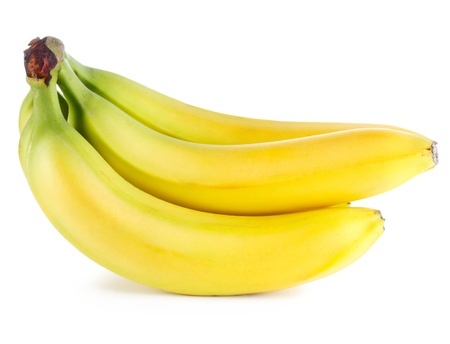
    photo of a bunch of ripe bananas

    Nowadays this tropical fruit is an everyday household ingredient but historically it was perceived as an exotic rarity. Even just after World War II rationing, it was considered to be a rare treat.

    Bananas probably originated in Southeast Asia, and from there to the Middle East and then on to Africa.  From there, Spanish and Portuguese colonists took them to the Americas.

    Bananas are highly nutritious and a convenient, portable snack.