
Blog

  • White meat and dark meat

    White meat and dark meat

    cartoon of two lions with a dead zebra - "white meat or dark?"

    White meat

    In earlier times ‘white meat’ was simply a term for dairy products, eg milk, butter, cheese, and sometimes eggs. However, in modern English white meat has two meanings. The main one refers to cooked breast meat and other pale-coloured cooked meat of poultry, as opposed to the darker meat of the other parts, such as the legs.

    It’s thought that this usage was initially adopted as a euphemism in the 19th century (Victorian times) by those too refined to use the word ‘breast’ in polite company.

    The other modern use of the term ‘white meat’ is to refer to pale-coloured meat in general, especially chicken and turkey, but also pork, rabbit, etc – as opposed to the red meats of beef, lamb, venison, etc.

    Dark meat

    Dark meat refers to the cooked meat from the legs of poultry, in particular chicken and turkey. As with white meat, the term seems to have been adopted in Victorian times as a euphemism to save the sensibilities of those too genteel to mention ‘leg’ – or worse still – ‘thigh’.

    Drumstick

    The word drumstick for chicken legs appears to have been coined earlier. According to John Ayto in An A-Z of Food and Drink, “The first known reference to poultry thighs as ‘drumsticks’ comes in the Mayor of Garret (1764), a play by the now almost forgotten dramatist Samuel Foote… They get their name, of course, from their shape, bulbous at one end with the bone protruding sticklike at the other.”

    Joint

    The word ‘joint’ is, in some cases, a similar euphemism for dark meat. In Britain, at least since the 16th century, a joint simply meant a large piece of meat for roasting. However, in 19th century America it meant something different. Given the Victorian-induced taboo of mentioning body parts such as ‘legs’, it was necessary to give these parts an alternative name. Thus the legs of poultry were referred to as joints. John Ayto (see above) writes: “Apparently it caused a certain amount of confusion among British visitors.”
  • Maillard reaction

    Maillard reaction

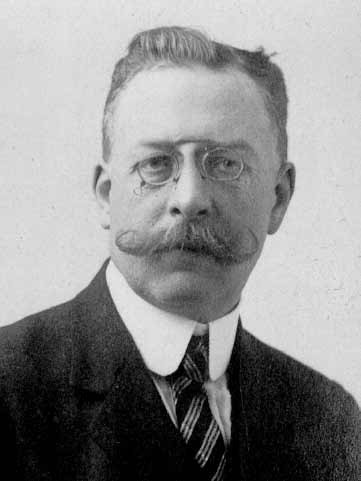
    Photo of the French scientist Louis Camille Maillard
    Louis-Camille Maillard

    What is it?

    The Maillard reaction, named after French chemist Louis-Camille Maillard (1878-1936), is a complex chemical reaction at heat (particularly strongly between 140°C and 165°C) between amino acids and reducing sugars.

    Why does it matter?

    It’s responsible for the distinctive flavour of browned foods.

    But I thought it was caramelisation that turned food brown?

    Again, yes and no. Caramelisation does turn food brown, but it’s a much more straightforward process – it’s just the pyrolysis (decomposition under heat) of certain sugars. And the Maillard reaction does also result in browning, though it’s the umami flavours it creates, above all, that have been interesting food scientists since at least 1953.

    Hang on – Maillard died in 1936.

    Glad you’ve been paying attention. Maillard described the process in a 1913 academic paper, but it was US Department of Agriculture chemist John E. Hodge who established the mechanism 40 years later, paving the way for a lot of artificial flavourings.

    Not interested in artificial flavours. Give me the real McCoy.

    Think fried steaks, lamb chops, roast pork – but think biscuits and crusty bread too. And roasted coffee beans. And fried onions… Are you starting to see why it’s so important?

    (And the malted barley that makes beer and whisky.)

    So it’s a good thing, then?

    Mostly, yes. However, it occurs naturally in the human body in certain medical conditions, often in association with the ageing process – for instance, it’s thought it may have a role in cataracts and in macular degeneration. And back in the world of food it can result in the formation of acrylamide, which may be a carcinogen (at least, US government agencies think it is).

    Should I worry if I’ve overdone the toast?

    Not unduly. Acrylamide’s been found to cause cancer in rats and mice, but only at huge levels – humans would have to eat about 160 times the daily average intake to consume the same amount, and even then it’s not been established that they’d contract cancer.

  • Cream

    Cream

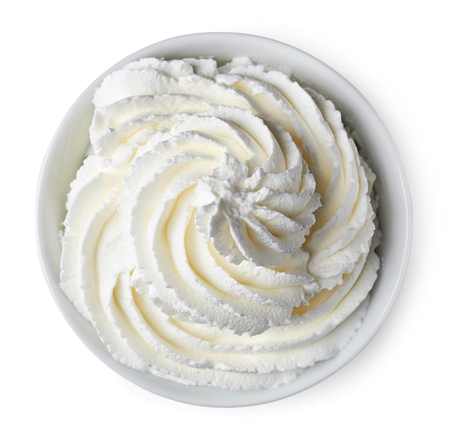
    photo of a bowl of whipped cream
    Cream is the fat layer that forms on top of unhomogenised milk. This fat layer is then skimmed off.

    Cream has numerous culinary uses. You can add it to soups and sauces to give a smooth, rich texture. It’s also commonly used in desserts either incorporated within the dish or added as whipped cream, or simply poured over – especially on fruit, puddings, or tarts. Apple pie is a great favourite to have with cream poured over.

    It’s important to choose the right type of cream for the purpose, but with all the various types of cream – and the fact that the terms vary between countries – it’s easy to get confused about which type of cream you need to be using. See below for more information.

    More information

    Our sister site, Not Delia, has a lot of information about cream.

    Confused about cream?

    With all the various types of cream on the market and in recipes, it’s easy to lose sight of what they’re all for…

    Can you substitute whipping cream for single cream? Or the other way round? Can you use half the amount of double cream if you don’t happen to have single? What about crème fraîche – isn’t that’s just French for ‘fresh cream’? And what about UHT cream, cream substitutes and all of those things?

    Read more!

    There’s also information on Not Delia about how British cream terms compare with others.

    US terms for cream and their British equivalents

    Australian and New Zealand terms for cream and their British equivalents

  • Absinthe

    Absinthe

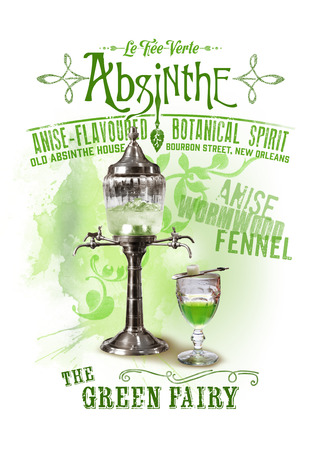
    NOLA collection poster of absinthe
    Absinthe is an unsweetened green liqueur with a taste of anise, flavoured with botanicals, primarily oil of wormwood. The oil is bitter, and contains the poison thujone – which has led to absinthe’s notoriety.

    The drink became very popular in France in the 19th century, but it is said that many suffered from hallucinations, seizures, or death from excessive drinking of absinthe. It was banned in many countries. Absinthe can be purchased legally in Britain.

    Absinthe was typically served by balancing sugar cubes on a special spoon and pouring ice cold water over the sugar cubes into the drink.

    Another anise-flavoured drink, pastis, has since taken absinthe’s share of the market. Indeed, a certain Monsieur Pernod purchased the original absinthe recipe in 1797 from its creator, Dr Ordinaire. That drink is also usually served diluted with water, at which time the clear liquid becomes cloudy and opaque.

    Absinthe’s reputation in the nineteenth century was akin to that of illegal drugs in the late twentieth century. The painter Manet depicted this in his famous painting The Absinthe Drinker (1859), in which a dejected devotee stares gloomily at the cloudy liquid in his glass.

    Absinthe has several nicknames, including ‘la verte’ (the green one) and ‘the green fairy’ (a reference to its alleged hallucinogenic properties).

    The poster above depicts these many aspects of absinthe.

  • Paleolithic diet

    Paleolithic diet

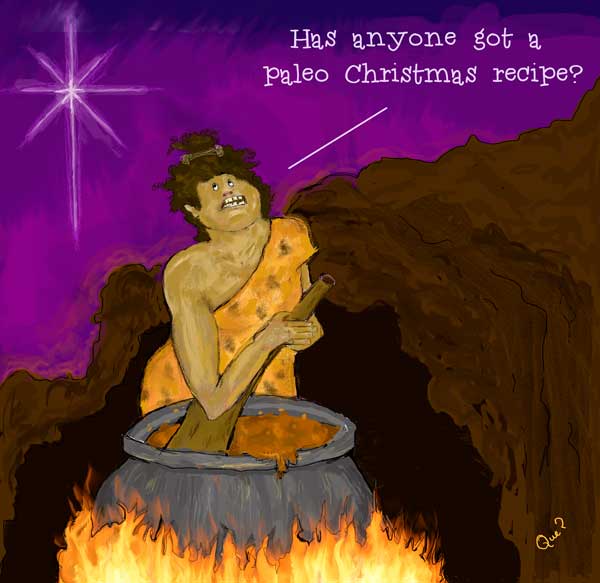
    cartoon of cavewoman asking if anyone's got a paleo Christmas recipe
    The Paleolithic diet, often abbreviated to paleo diet, is based mainly on foods presumed to have been available to humans in Paleolithic times. It’s also sometimes called the caveman diet or stone-age diet. People interpret this in a wide variety of ways. Some people pedantically refuse to use modern technology, eg microwave cooking, on the basis that cavemen didn’t have microwaves. However, such purists are rare.

    Most people following the paleo diet eat vegetables, fruits, nuts, roots and meat, ie the food sourced by hunter-gatherers. Later foods, ie those produced by more settled agriculture, are generally avoided. These include dairy products, grains, sugar, legumes, processed oils, salt, alcohol and coffee.

    It’s a controversial diet in as much as today we can only take an educated guess at what cavemen ate but can’t say with any certainty. Additionally, claims to the health benefits of eating like a caveman are disputed too. After all, these people had a much shorter life expectancy than we do today. Also, the digestive abilities of humans today are likely to be different from those of Paleolithic humans, which undermines the diet’s core premise.

    Some argue that although little is known about the diet of Paleolithic humans, it is very likely that they consumed wild grains and legumes. During the 2.6 million-year-long Paleolithic era, the highly variable climate and worldwide spread of human population meant that humans were, by necessity, nutritionally adaptable.

    The paleo diet, in its modern guise, was first developed in the mid-1970s and later popularised by Loren Cordain who published the best-selling book The Paleo Diet in 2002 – and trademarked the term.

    Whilst there may be health benefits to cutting out or down on processed foods, salt and sugar, the British Heart Foundation cautions against rigidly following this or any other fad diet.

    …cutting out dairy products and starchy foods, particularly wholegrains, means losing key sources of fibre, calcium and energy. This could affect your health in the long term. As for weight loss, some people do lose weight on the paleo diet. By cutting out large food groups – especially sugary and processed foods – you’re likely to consume fewer calories (energy), but most fad diets aren’t a long-term solution because they are hard to stick to.

    Instead, make changes that can become everyday habits, while controlling your portion sizes. So, while this diet is a good reminder of foods we need to eat more of, we don’t need to travel back in time to be heart-healthy. The trick is to pick the best elements and enhance these with our modern advantages.

    Nowadays, our meals can be healthy without being restrictive. We can use modern grills, microwaves and non-stick pans to cook food quickly and healthily. We also have access to a wide range of foods, including healthy options like frozen fruit and vegetables, giving year-round variety.

    Source: British Heart Foundation: Is the paleo diet a good way to lose weight?

    As of today, the paleo diet’s popularity continues. However, there is very little scientific evidence either way to prove or disprove that it genuinely does convey the health benefits which are claimed for it.

  • Thai curry paste

    Thai curry paste

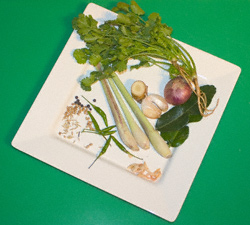
    Photo of typical green curry paste ingredients
    The basis of many Thai dishes, especially curries, is a highly flavoured paste. These pastes are made by grinding the ingredients together, usually in a mortar and pestle, although inferior results can be achieved in a blender.

    The pastes are usually named for their colour, eg green or red curry paste, or for the dish they form the basis of, eg Mussaman paste. They invariably contain a balance of the four taste elements of Thai cuisine: sweet, spicy, salty, sour.

    There are as many different recipes for Thai green curry paste as there are people who make it. There are no hard and fast rules – just a few basic principles and common ingredients. The picture above shows some commonly used ingredients, which were then ground to a paste with a little vegetable oil.

    They include coriander, chillies, shallots, galangal, lemon grass, kaffir lime leaves, coriander seeds, black peppercorns, cumin seeds and dried shrimps.

    The curry itself is likely to contain other flavourings such as nam pla (fish sauce), palm sugar and lime juice to get the balance of flavours right.

    Commercial pastes are widely available and these days many supermarkets also stock jars of Thai curry sauces. But home-made is almost always best.

     Recipe

    Try Not Delia’s green curry paste recipe

  • Croquembouche

    croquembouche with pink and white frosting and roses
    croquembouche with pink and white frosting and roses

    A croquembouche is a French dessert consisting of a pyramid of choux-buns bound with threads of caramel. It’s sometimes served instead of a wedding cake or as a treat at other parties.  It’s become popular also to make a croquembouche to look like a decorative Christmas tree.


  • Blanch

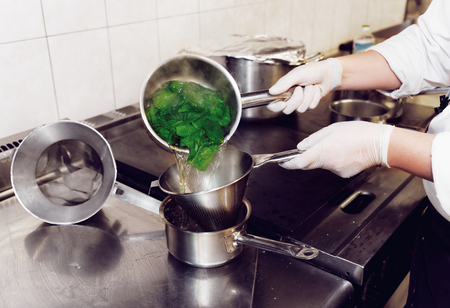
    Chef draining spinach after blanching
    Chef draining spinach after blanching

    Blanching is to briefly and partially cook food, usually vegetables or fruit, in boiling liquid, usually water but oil is sometimes used.

    The technique is useful for preparing vegetables for the freezer.  In which case, once the food has been briefly cooked it’s usual to arrest the cooking process by plunging the fruit or vegetable into iced water.  (This is called ‘shocking’ or ‘refreshing’.) The blanching technique is also used when preparing vegetables ahead of time. The blanched vegetables, being part-cooked, are quicker to fully cook later at the required time.

    Usually when making roast potatoes, the spuds are parboiled or blanched before putting them in the roasting tin to roast in oil or lard.


  • Abalone

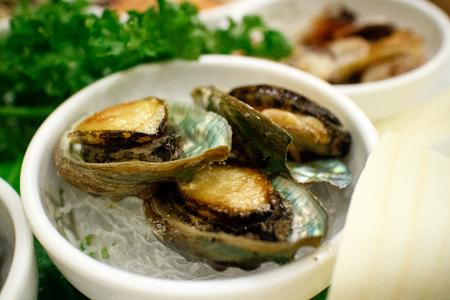
    Abalone in their shells, served raw on ice as sashimi
    Abalone is a name given to several different species of sea snail. It’s hard to give an exact number because not everyone agrees on the definitions, but there are anything between 30 to over 200 species, ranging in size from small to very large.

    The name “abalone” comes originally from the Californian Rumsen language via Spanish. The final E is pronounced, so it’s “a-ba-lo-né”, not “abba-lone”.

    Abalone are particularly prized in East and South East Asian cuisine. They were once considered a luxury item in Chinese banquets along similar lines to shark fin soup and bird’s nest soup. In Korea they were often presented to the King.

    Nowadays, with the introduction of commercial farming, abalone are more popular. One Western Australian company has set up what it describes as an abalone ranch – an artificial reef consisting of 5,000 concrete blocks weighing 900kg each. The abalone are seeded from an onshore hatchery, taken out to the reef and then left to their own devices.

    In North America evidence of abalone consumption along the Californian coast has been dated back to 12,000 years ago. These days you can find abalone on Californian pizzas!

    Abalone are also sought after for their shells, the inner surface of which is covered with a particularly iridescent nacre (mother-of-pearl) that’s used in jewellery, button-making and as inlay in furniture and musical instruments.

  • Albacore

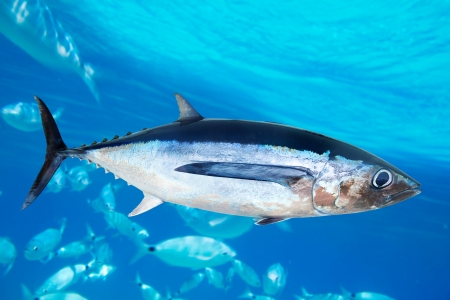
    An albacore (Thunnus alalunga)
    The albacore is a species of tuna found in all three of the world’s major oceans as well as the Mediterranean Sea.

    It’s a popular source of tuna for canning – the history of tuna canning goes back to 1903 when 700 cases of albacore were experimentally canned.

    In the US it’s the only species that can legally be described as “white meat tuna”. The canning industry use this phrase to distinguish albacore meat from other tuna species.

    It’s also known as longfin tuna. This is because of the long pectoral fin running down its side, for up to 30% of the total length of the fish.

    Like all fish it accumulates methylmercury over time, but as it’s an apex predator (at the top of the food chain) it does so to a greater extent than most fish species. Although the human body does naturally break methylmercury down over time, it takes over a year to do so.

    Albacore caught individually by pole is reckoned to be the most sustainable form of tuna, so look out for it when shopping.

  • Slashing

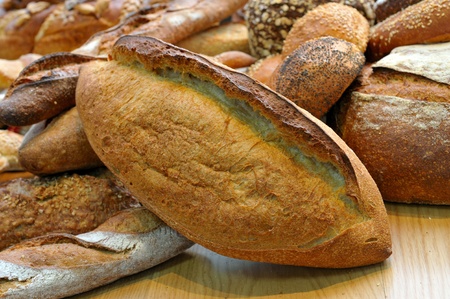
    Various breads with slashes to control burst
    Various breads with slashes to control burst

    Slashing is a bakery term which refers to slashing the top of the dough with a very sharp knife or razor blade. This is crucial – a blunt knife simply won’t do the job properly.

    As well as giving the bread an attractive appearance, historically – in the days of communal ovens – it was also the baker’s signature which enabled easy identification of which loaf belonged to whom.

    Slashing the dough also has a practical function. It controls where the dough bursts during the rapid expansion which happens in the first stage of baking.  This leads to a better texture of the loaf as well as making it look better.

  • Knead

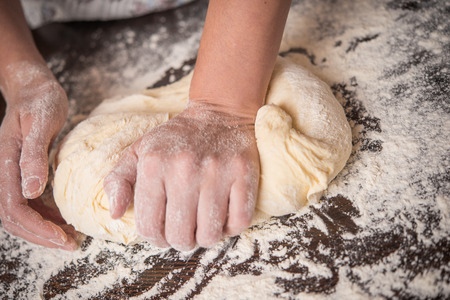
    Hand-kneading bread dough
    Hand-kneading bread dough

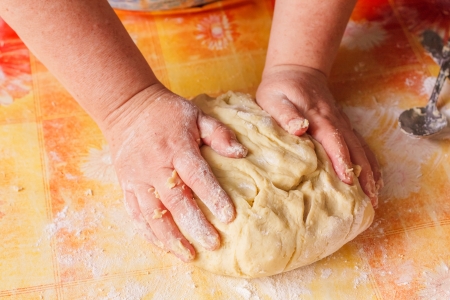
    Kneading is the process of working dough, especially bread dough, to speed up the development of gluten to turn the dough into a firm and more workable mass. Kneading isn’t necessary – there are plenty of no-knead recipes.  Given enough time and water, the proteins in wheat flour will do this for themselves. Kneading is simply a mechanical means of speeding up the biochemical process.

    Kneading can be done by hand or by using the dough hook on a stand mixer. However, if using a domestic mixer, take care to read the manual for the machine otherwise you risk burning out the motor.  Usually doughs have to be kneaded for at least ten minutes and many domestic machines recommend only running the motor for four minutes at a time.

    Many people find hand kneading therapeutic. Others would prefer to let a machine do the grunt work. When the kneading process is complete, the dough should feel smooth and elastic. Some people describe is as ‘silky’.

  • Burst

    Various breads with slashes to control burst
    Various breads with slashes to control burst

    When bread loaves are first put in the oven to bake, they swell rapidly. This is known as oven spring. If this has been planned for, eg by slashing the top with a lame or sharp knife, it can give the loaf an attractive design. However, a rupture, or random burst, could look unattractive so it’s generally advised to control the burst.

  • Autolyse

    Making bread dough
    Making bread dough

    Autolyse is a term for bread baking technique of mixing the flour and water together and leaving it to rest before adding the other ingredients, such as yeast and salt. This simple technique is said to improve the structure of the bread as well as to make mixing and kneading easier.

    Professor Raymond Calvel, a research chemist and a baking expert introduced the technique in his highly acclaimed book ‘Le Gout du Pain’, which was later published, in 2001, in English as ‘The Taste of Bread’.

    Among other people, Calvel taught bread making to Julia Child.

    More information

    Try the BakeryBits website for more info about Professor Raymond Calvel and his autolysing technique.

  • Sausage rolls

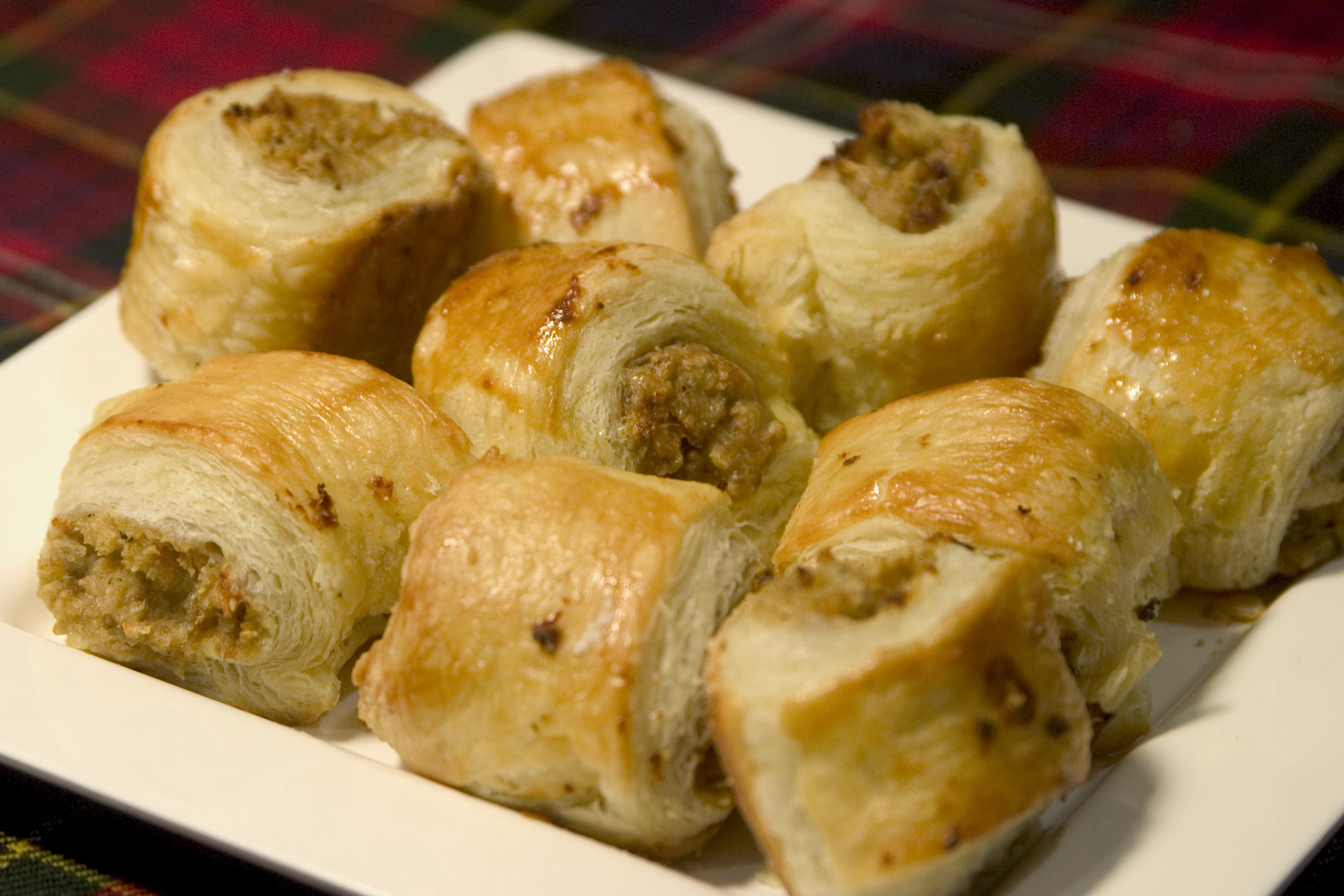
    Cocktail sausage rolls for Burns Night
    Cocktail sausage rolls for Burns Night

    A sausage roll is a savoury pastry snack which is popular in Britain and in the Commonwealth nations.  They’re commonly sold in retail outlets such as supermarkets and bakeries.  The mini, or cocktail, versions are often served hot or cold as buffet or party food.

    A sausage roll consists of a tube of sausage meat enclosed in puff pastry and baked.

    More information

    Not Delia makes cocktail sausage rolls

    Recipe

    John Torode’s sausage rolls


  • Balsamic vinegar

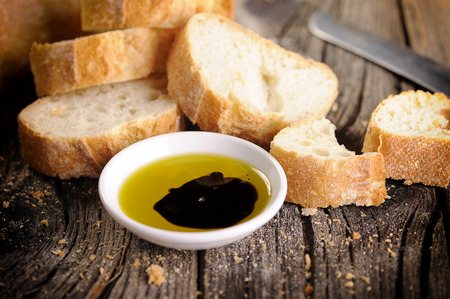
    Olive oil and balsamic vinegar with bread
    Olive oil and balsamic vinegar with bread

    True Balsamic vinegar is an artisan product from Modena, in Italy.  It’s made from grape juice, which is simmered to make a concentrate, and then fermented. Finally it’s matured in barrels for a minimum of 12 years. The barrels used are made from different woods to impart different flavours. The result is a rich, dark and syrupy vinegar, which should be used sparingly – not least because it’s expensive.  The real thing will be labelled ‘tradizionale’ and/or marked DOC.

    It’s possible to buy cheaper balsamic vinegar. This is made industrially from vinegar and grape juice and is called ‘aceto balsamico di Modena’. This vinegar does not undergo the same ageing process as the artisan product and the flavour is inferior and weaker – but it’s fine for salad dressings and the like.

    A typical Italian starter or side dish consists of bread served with balsamic vinegar and olive oil. Balsamic vinegar also marries well with fruit, particularly strawberries.

    More information

    See also Vinegar for more details about how vinegar is made.