Tag: meat

  • Shashlik

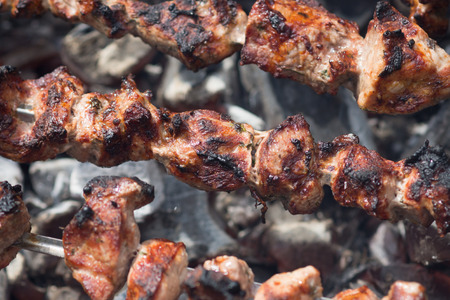
    photo of shashlik kebab skewers being barbequed
    Shashlik kebabs on a grill

    Shashlik (sometimes also called shashlyk or shish kebab) is a term given to skewered meat in some parts of the world, particularly in Eastern Europe and in Middle Eastern countries. Traditionally the meat used would be lamb or goat, especially in Islamic countries.  But these days it can be found with a variety of meat, eg pork, chicken, beef or fish, depending on local preferences and religious beliefs.

    Sometimes the skewers are threaded with meat only and sometimes the meat is alternated with pieces of fat – good for keeping the meat moist when grilling – or vegetable pieces, eg onion, bell pepper, tomato, mushrooms, etc.

    A favourite in Pakistan and Afghanistan is to serve several skewers of lamb or goat meat on a naan bread and accompany it with sliced red onions, sliced tomatoes, green chillies, a bunch of coriander, and lime wedges.

    Greece has a very similar type of kebab called souvlaki, and traditionally this is made with pork meat.


  • White meat and dark meat

    White meat and dark meat

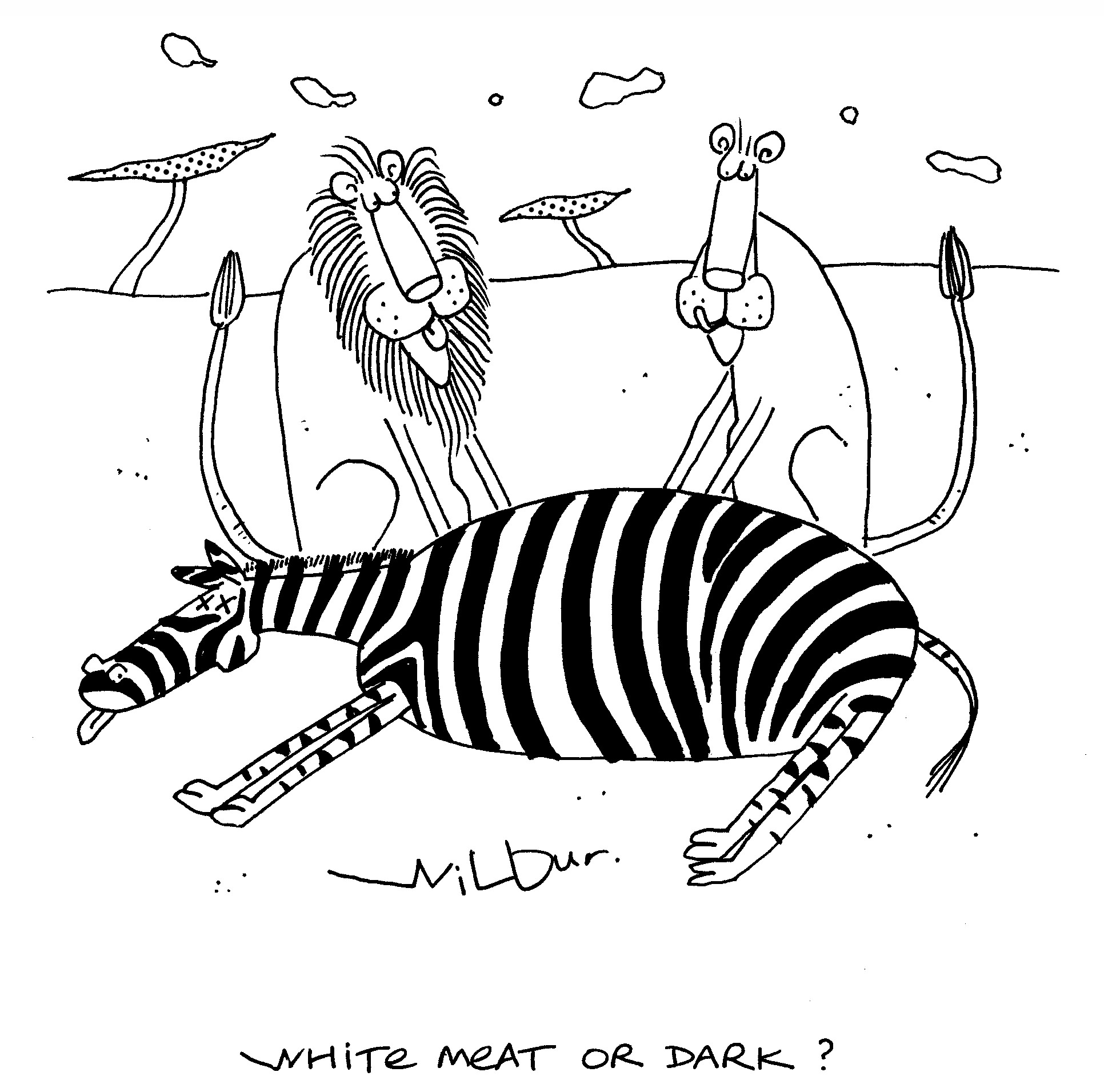
    cartoon of two lions with a dead zebra - "white meat or dark?"

    White meat

    In earlier times ‘white meat’ was simply a term for dairy products, eg milk, butter, cheese, and sometimes eggs. However, in modern English white meat has two meanings. The main one refers to cooked breast meat and other pale-coloured cooked meat of poultry, as opposed to the darker meat of the other parts, such as the legs.

    It’s thought that this usage was initially adopted as a euphemism in the 19th century (Victorian times) by those too refined to use the word ‘breast’ in polite company.

    The other modern use of the term ‘white meat’ is to refer to pale-coloured meat in general, especially chicken and turkey, but also pork, rabbit, etc – as opposed to the red meats of beef, lamb, venison, etc.

    Dark meat

    Dark meat refers to the cooked meat from the legs of poultry, in particular chicken and turkey. As with white meat, the term seems to have been adopted in Victorian times as a euphemism to save the sensibilities of those too genteel to mention ‘leg’ – or worse still – ‘thigh’.

    Drumstick

    The word drumstick for chicken legs appears to have been coined earlier. According to John Ayto in An A-Z of Food and Drink, “The first known reference to poultry thighs as ‘drumsticks’ comes in the Mayor of Garret (1764), a play by the now almost forgotten dramatist Samuel Foote… They get their name, of course, from their shape, bulbous at one end with the bone protruding sticklike at the other.”

    Joint

    The word ‘joint’ is, in some cases, a similar euphemism for dark meat. In Britain, at least since the 16th century, a joint simply meant a large piece of meat for roasting. However, in 19th century America it meant something different. Given the Victorian-induced taboo of mentioning body parts such as ‘legs’, it was necessary to give these parts an alternative name. Thus the legs of poultry were referred to as joints. John Ayto (see above) writes: “Apparently it caused a certain amount of confusion among British visitors.”

  • Aiguillette

    Aiguillette is French and the word literally means ‘little needle’. In culinary terms it refers to a long, thin sliver of the choicest, most tender meat from either side of the breastbone of a duck or other fowl. It’s sometimes used to describe any thin strip of meat taken from a premium cut, such as from the rump or flank.

    The term is also used to denote certain sartorial ornamentation, especially on military uniforms.

  • Bulgogi

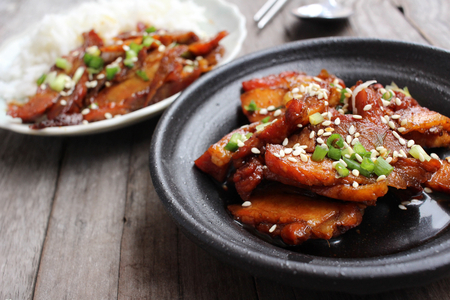
    photo of bulgogi

    Bulgogi is a classic Korean dish made from strips of meat – usually beef or pork – marinated in a spicy sauce and then cooked on a special ridged grill plate.

    This is probably one of the most well-known Korean meat dishes outside Korea. It literally means ‘fire’ (bul) and ‘meat’ (gogi) and these are marinated in a sesame and soy-based paste. Originally the meat was barbecued over an open flame but these days it’s quite common to see induction ‘BBQ’ grill pans in Korean restaurants.

    Of course, you can make your own bulgogi paste but there are also some commercial, delicious bulgogi marinades available. If your local supermarket doesn’t stock it, then try an Asian supermarket or buy online. If buying, rather than making, look for a high fruit content in the ingredients as the extra pears in the marinade will enhance the dish.

    Recipe

    Sainsburys Magazine: Bulgogi