White meat
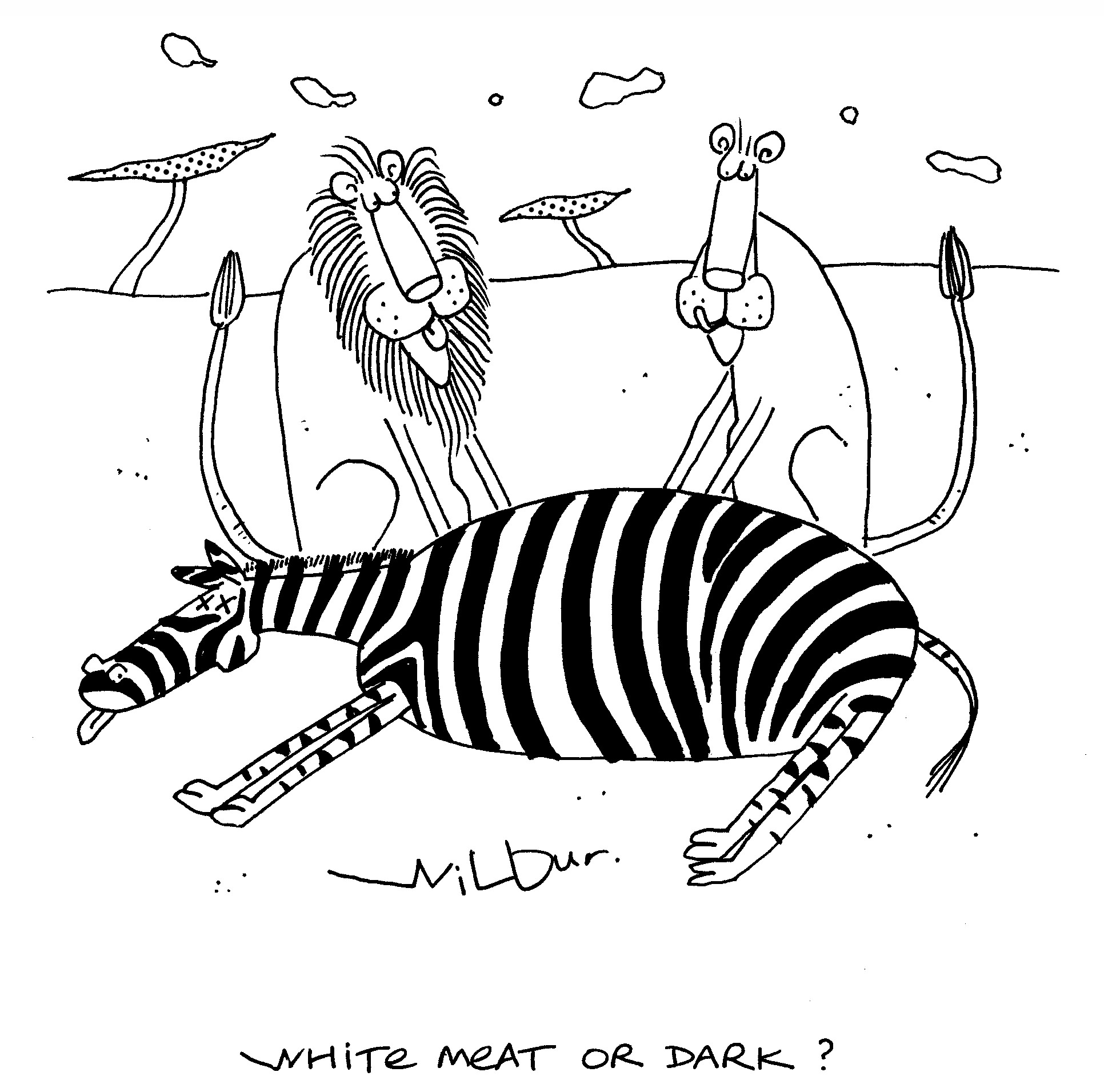
In earlier times ‘white meat’ was simply a term for dairy products, eg milk, butter, cheese, and sometimes eggs. However, in modern English white meat has two meanings. The main one refers to cooked breast meat and other pale-coloured cooked meat of poultry, as opposed to the darker meat of the other parts, such as the legs.
It’s thought that this usage was initially adopted as a euphemism in the 19th century (Victorian times) by those too refined to use the word ‘breast’ in polite company.
The other modern use of the term ‘white meat’ is to refer to pale-coloured meat in general, especially chicken and turkey, but also pork, rabbit, etc – as opposed to the red meats of beef, lamb, venison, etc.
Dark meat
Dark meat refers to the cooked meat from the legs of poultry, in particular chicken and turkey. As with white meat, the term seems to have been adopted in Victorian times as a euphemism to save the sensibilities of those too genteel to mention ‘leg’ – or worse still – ‘thigh’.
Drumstick
The word drumstick for chicken legs appears to have been coined earlier. According to John Ayto in An A-Z of Food and Drink, “The first known reference to poultry thighs as ‘drumsticks’ comes in the Mayor of Garret (1764), a play by the now almost forgotten dramatist Samuel Foote… They get their name, of course, from their shape, bulbous at one end with the bone protruding sticklike at the other.”
Joint
The word ‘joint’ is, in some cases, a similar euphemism for dark meat. In Britain, at least since the 16th century, a joint simply meant a large piece of meat for roasting. However, in 19th century America it meant something different. Given the Victorian-induced taboo of mentioning body parts such as ‘legs’, it was necessary to give these parts an alternative name. Thus the legs of poultry were referred to as joints. John Ayto (see above) writes: “Apparently it caused a certain amount of confusion among British visitors.”