Tag: condiments

  • Balsamic vinegar

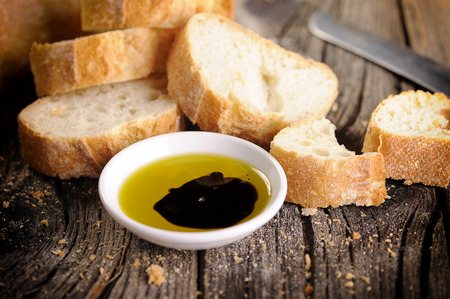
    Olive oil and balsamic vinegar with bread
    Olive oil and balsamic vinegar with bread

    True Balsamic vinegar is an artisan product from Modena, in Italy.  It’s made from grape juice, which is simmered to make a concentrate, and then fermented. Finally it’s matured in barrels for a minimum of 12 years. The barrels used are made from different woods to impart different flavours. The result is a rich, dark and syrupy vinegar, which should be used sparingly – not least because it’s expensive.  The real thing will be labelled ‘tradizionale’ and/or marked DOC.

    It’s possible to buy cheaper balsamic vinegar. This is made industrially from vinegar and grape juice and is called ‘aceto balsamico di Modena’. This vinegar does not undergo the same ageing process as the artisan product and the flavour is inferior and weaker – but it’s fine for salad dressings and the like.

    A typical Italian starter or side dish consists of bread served with balsamic vinegar and olive oil. Balsamic vinegar also marries well with fruit, particularly strawberries.

    More information

    See also Vinegar for more details about how vinegar is made.


  • Anchovy

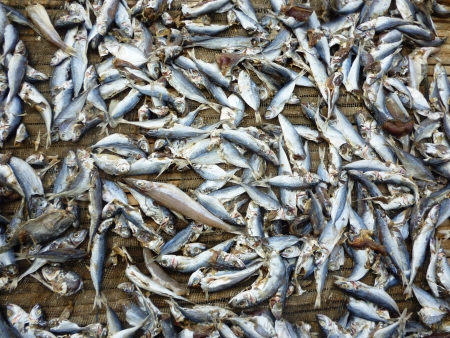
    Fish awaiting preparation into anchovies
    Fish awaiting preparation into anchovies


    These small (usually between 8-10cm), silver fish are found in various parts of the world which have warmish salt water, eg the Mediterranean. For export, they are almost always filleted, salt-cured and packed in salt or oil. Then they can be purchased in jars or tins from shops and supermarkets around the world.

    In some countries, other small fish are processed in the same way. These may be called “anchovies” locally even though they could be prepared from other types of fish.

    Anchovies are a great cupboard standby and are popular as a pizza topping as well as in Caesar salad and many other dishes.

    These tiny fish melt away to nothing when cooked and tend to leave a salty rather than a fishy taste. They are known for imparting umami to any dish to which they’re added. For those who have not yet acquired a taste for these little beauties, capers could provide an acceptable substitute.


  • Umami

    Fish awaiting preparation into anchovies
    Fish awaiting preparation into anchovies

    What is it?

    Umami (Japanese: from umai, ‘delicious’ and mi, ‘taste’) is one of the five basic tastes, along with sweet, salty, bitter and sour.

    In the early 20th century, Kikunae Ikeda, a Japanese chemistry professor, identified a particularly appealing taste common to certain foods.  But this taste sensation didn’t fall into any of the recognised taste categories; it had its own distinctly savoury character. This came to be known as ‘umami’ – the fifth taste.

    Adding umami flavours to a dish can really boost its flavour and the satisfaction the eater derives from it.

    List of some naturally umami-rich foods

    • anchovies and other items based on fermented fish
    • soy sauce
    • Parmesan cheese
    • black olives
    • garlic
    • dried mushrooms
    • tomato paste
    • extra virgin olive oil
    • asparagus
    • balsamic vinegar
    • wine vinegar
  • Marmite

    Marmite

    The original use of the word marmite was for a French two-handled earthenware or metal cooking pot, used for makings soups and stews. It’s thought that the term was derived from the old French word for ‘hypocrite’ – the idea being that the pot was a hypocrite because it concealed its contents.

    Later in Britain the word was used for a proprietary brand of a spread made from yeast extract, a by-product of the beer brewing industry. The paste is dark, sticky, and very salty. It’s often spread on toast but can also be used for various other purposes, eg to add a tasty stock to vegetarian dishes.

    The Marmite familiar to many Brits today was originally launched in 1902 and depicts a marmite pot on its label. There have also been many special editions to celebrate various events, eg a special edition called ‘Ma’amite’ was released in April 2012 to commemorate the Diamond Jubilee of Queen Elizabeth II.

    More information

    Visit the official Marmite website.

  • Cranberry

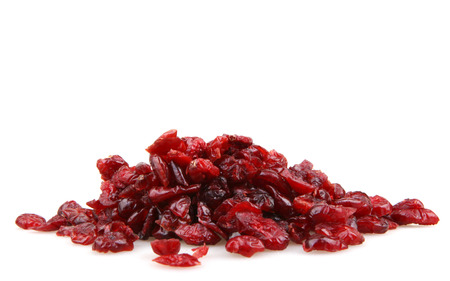
    dried cranberries

    Cranberries are little red berries with a bitter flavour. They grow wild on shrubs throughout Northern Europe and North America, but their cultivation is a major commercial operation in some American states and Canadian provinces.

    They have a high nutritional content and are believed to be valuable for their health-giving properties.

    Because the berries are so bitter, about 95% of the harvest is processed into juice, sauce or other condiments. They are also available dried and sweetened, as shown in the photo above.

    Cranberry sauce is the traditional accompaniment to the Christmas turkey in the UK and elsewhere, and at Thanksgiving dinners in the United States and Canada.

  • Vinegar

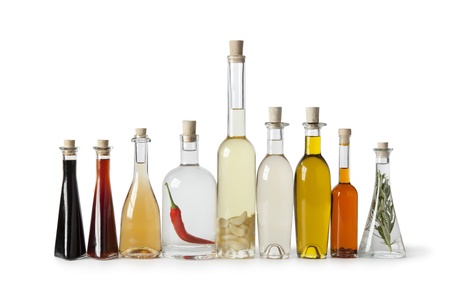
    various bottles of oils and vinegars

    Vinegar literally means ‘sour wine’ and it was originally produced by the acetic fermentation of wine.  Whilst there is some evidence that it existed in Britain in pre-Roman times, it was the Romans who introduced it more fully. The Romans were very keen on it as a condiment, for cooking and even – well watered down – as a drink.

    When wine was not available, vinegar was made from other ingredients, such as ale. This is the origin of malt vinegar, which is so popular in Britain especially on fish and chips. This is unsurprising in a country without lemons.

    Despite the ubiquity of malt vinegar in Britain, in recent decades there has been a greater interest in a wider variety of wine vinegars, including those flavoured with herbs and spices.

    These days the most common culinary uses of vinegar is as a cooking ingredient (eg for vinaigrette), for pickling, and as a condiment.

    In addition to its culinary uses, vinegar has also had various other roles to play in industry, medicine and the household, such as for cleaning and disinfecting.

    More information

    See also Balsamic Vinegar for more details about the artisan vinegar from Modena, Italy.

  • Achaar

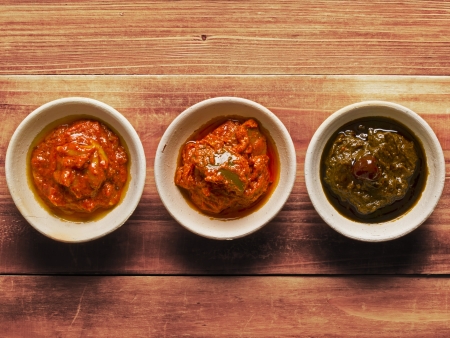
    three bowls of Indian pickles

    Aachar is the name for pickles of the Indian subcontinent. They are usually made by finely chopping fruit or vegetables and marinating them in brine or edible oil, and seasoning with spices. Some regions use the same technique for meat and fish.

    The most common pickles of this style are made from mango and lime, but others are made from a wide variety of ingredients, eg cauliflower, garlic, radish.

    These can be homemade or bought commercially.

    Recipe

    The Tarla Dalal website has lots of achaar recipes.