Tag: cereals

  • Gluten

    Gluten

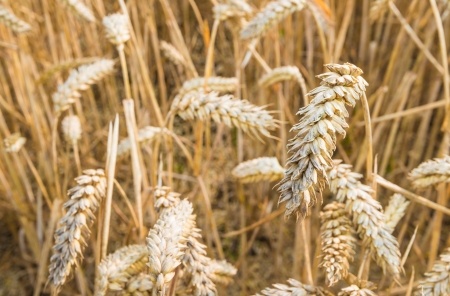
    ripe wheat ready for harvesting
    Gluten is a protein found predominantly in wheat, rye and barley. It may also be present in other cereals, either as a natural component or as a result of cross-contamination during harvesting. Therefore, anyone with a gluten-intolerance might be wise to check that any other cereal they purchase is in fact gluten-free.

    Gluten’s main culinary use is to give strength and elasticity to food products and it’s commonly found in wheat-flour-based products such as bread, pasta, pastry, and bakery items. It can also be found in many processed foods, eg ready meals, sausages, sauces and soups.

    Because we eat more processed foods these days, this has resulted in us eating significantly more gluten. Thus there is a greater chance that those with an intolerance to the protein will experience some of the painful digestive symptoms associated with this intolerance. But gluten intolerance should not be confused with coeliac disease, which is a life-long auto-immune condition.

    Nowadays products which are gluten-free are readily available in supermarkets and other stores.
  • Coeliac disease

    Coeliac disease

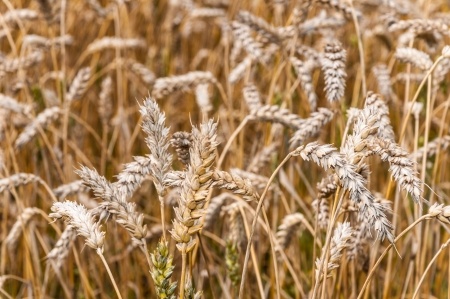
    close-up of golden wheat ripe and ready for harvesting

    Coeliac (sometimes spelled celiac) disease is a lifelong autoimmune disease where the body’s immune system reacts to gluten, a protein found in wheat, barley and rye. The body’s reaction to gluten causes damage to the lining of the intestine, preventing the body from absorbing important nutrients. Symptoms can include bloating, diarrhoea, nausea, wind, constipation, tiredness, headaches, sudden or unexpected weight loss, hair loss and anaemia.

    It’s estimated that about one in a hundred people in the UK suffers from coeliac disease. The myriad of symptoms and varying degrees of severity associated with coeliac disease make it difficult to diagnose. Once it is diagnosed, it’s treated by following a gluten-free diet for life. If you suspect you have coeliac disease, you are advised you go to your GP for further information before you make any changes to your diet.

    However, ‘gluten-free’ diets have become very popular – quite a fad! This has led to some food providers not understanding that if gluten-free food is contaminated in any way by gluten, eg by baking something in the same kitchen as items containing gluten without preventing cross-contamination, this can cause a severe reaction in a coeliac although many people on a supposedly gluten-free diet would not experience any problem.

    More information

    Coeliac UK – a British charity – provides a great deal of information about coeliac disease and includes gluten-free recipes.

    Try this NHS page for more information about coeliac disease.