Tag: chefs etc

  • Asparagus

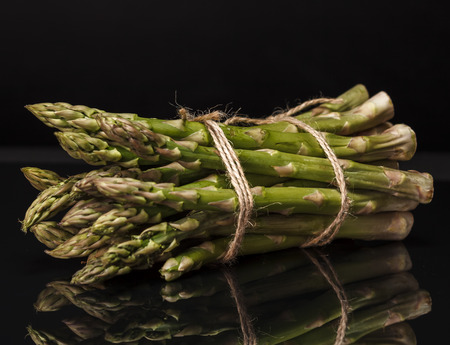
    photo of a bunch of asparagus spears

    Asparagus, a herbaceous perennial plant, is generally considered to be a luxury vegetable. Quite simply, it’s expensive to buy because it’s expensive to cultivate. A newly planted asparagus plant takes three years to produce spears that are good enough to sell. Then it will only produce spears for a further three years. Therefore, a typical asparagus field will only give a yield for half of the time. Additionally, asparagus requires a lot of land as each square foot will only produce about one spear. And then these spears have to be harvested manually as there’s yet no way to harvest them mechanically.

    Asparagus is graded by size, the ‘sprue’ being the slimmest and ‘jumbo’ the thickest.

    Most countries eat white asparagus and this is even more expensive to cultivate as the spear must be shielded from the light.

    White asparagus is a peculiar thing. I think so, but then I’m in a minority. I’m used to the green stuff, and I find white asparagus low in both texture and flavour. It is only in Britain, Italy and parts of the USA that eat their asparagus green. The rest of the world, and that includes most of Europe, eats it white. To keep it white, you have to build up the soil around it as it grows, keeping it underground and out of the light. You prepare the white as you do the green.

    Source: Gregg Wallace: Veg – the greengrocer’s cookbook

    Asparagus is a spring vegetable, and available in Britain from about May to July. Imports are available all year round but many people consider that locally grown veg tastes better than any which have flown half-way round the world.

    Asparagus which is limp is past its best; the spears should be firm with smooth skin, and the heads (what some call tips) tightly closed. Asparagus requires very little cooking – the simpler the better – just boil, steam or griddle. It can also be eaten raw but cooked briefly is better.
  • Beetroot

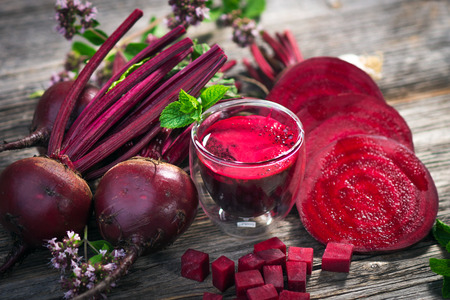
    photo of beetroot whole, sliced, diced and juiced


    What is it?

    Beetroot is the taproot portion of the beet plant, often known as simply the beet. The leaves are also edible, often called beet greens. British beetroot is usually available from July to January, but some may linger on until February or March.  Choose firm beetroot with fresh (unwilted) stalks.

    What to do with it

    The bulbous, dark purple roots are eaten boiled or roasted and sometimes raw in salads. Beetroot juice is also popular. It can also be used to make wine

    Beetroot has made a bit of a comeback recently. It had very bad press for a while. Anyone who experienced typical British cuisine in the 1960s and 70s will remember the pickled abomination which came in jars. Many people were put off beetroot for life because of this. But those who have the courage to try it again minus the industrial pickling process often find they like the rich, sweet, earthy taste.

    I am convinced that my childhood beetroot horror story is shared by countless other unfortunates, and that’s why beetroot isn’t used more often. The other reason could be that it stains everything – if you don’t scrub like a thing possessed, you can end up red-handed for weeks.

    Source: Gregg Wallace, Veg – the greengrocer’s cookbook

    There are other varieties and colours of beetroot but some are relatively rare, eg the golden beetroot.

    To boil beetroot cut off the root tips, leaves and stem but leave a little bit of the stem to prevent the beetroot from bleeding. Bring a large pan of salted water to the boil. Add the beetroot and simmer, uncovered, for about 30 minutes – depending on its size. It’s ready when a fork passes through easily. Drain and let cool a little, then peel and season. (Note, don’t peel the beetroot before boiling or the colour will bleed out.)